
Access to Books I’ve Written
I have written a few pastel painting books which are available to purchase in digital form.
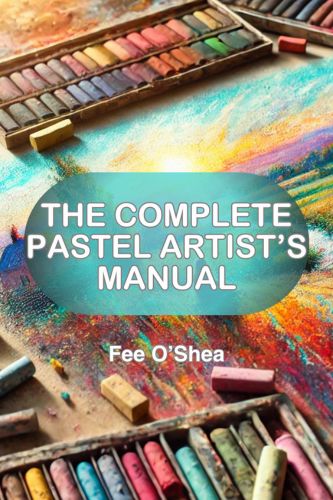
Inside this book, you’ll learn how to choose and care for your pastels, select the right papers and surfaces, set up an effective workspace, and work safely and cleanly with pastel dust.
The book covers essential techniques such as blending, stippling, scumbling, glazing, and layering, alongside clear explanations of colour theory, value, and composition. Common mistakes are addressed honestly, helping you avoid frustration and overworking your paintings.
Rather than prescribing a single “right way” to work, this manual empowers you to develop your own style, build confidence, and enjoy the process of pastel painting.
This book is perfect for:
- Beginners who want a clear, friendly introduction to pastels
- Artists transitioning to pastels from another medium
- Hobby artists looking to strengthen fundamentals and technique
- Returning artists seeking to refresh their skills and confidence
Whether you’re picking up pastels for the first time or rediscovering them after years away, The Complete Pastel Artist’s Manual offers practical guidance, encouragement, and clarity—one mark at a time.
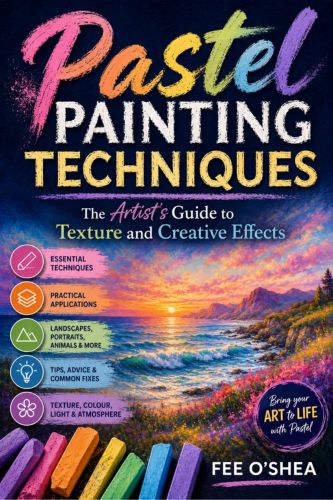
Discover the techniques that bring pastel paintings to life.
Pastel Painting Techniques is a practical, beginner-friendly guide that helps artists understand not just what pastel techniques are, but when, why, and how to use them effectively.
Inside this comprehensive handbook, you’ll explore a wide range of essential pastel techniques. Each technique is explained in clear, accessible language, with practical guidance on where it works best, common mistakes to avoid, and tips for achieving stronger results. You’ll also learn how these techniques can be applied to real painting subjects.
Rather than treating techniques as isolated exercises, this book shows how they work together to create convincing, expressive artwork. Whether you prefer soft realism, impressionistic landscapes, or vibrant contemporary pastel paintings, you’ll better understand how different marks and applications shape the finished result.
Filled with examples, artist tips, practical advice, and full-colour illustrations, The Pastel Techniques Handbook serves as both a learning resource and an ongoing studio reference.
Whether you’re picking up a pastel stick for the first time or looking to expand your artistic toolkit, this handbook will help you build confidence, develop stronger skills, and unlock the full creative potential of pastel painting.
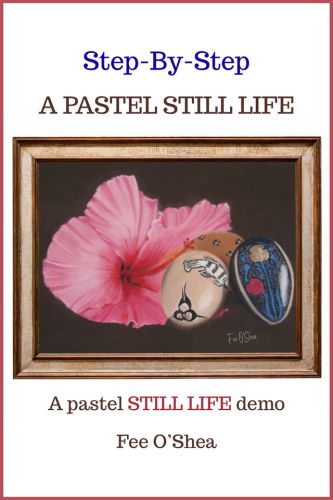
A Pastel Still Life Demo is a gentle, confidence-building guide that helps artists experience the quiet joy of creating a still life in soft pastels—without fuss, intimidation, or expensive materials. Using a simple yet striking subject of a hibiscus flower and decorated eggs, I take you step by step through my personal pastel process, from preparation and composition to the final refinements.
This demonstration focuses on clarity and calm rather than complexity. You’ll learn how to choose and simplify a subject, work with a limited colour palette, and build form gradually using light pressure, layering, and blending. I explain essential techniques such as gridding, smudging, edging, and my signature “swipe” method in a way that feels approachable and encouraging—perfect for beginners and reassuring for those returning to pastels after time away.
Photographs accompany each stage of the process, making it easy to follow along at your own pace. The demo is deliberately designed to be achievable on a kitchen table, with minimal equipment, so you can focus on learning and enjoying the medium rather than wrestling with logistics.
A Pastel Still Life Demo is ideal for beginners, hobby artists, and anyone who wants to slow down, reconnect with creativity, and discover just how expressive pastels can be—one careful layer at a time.
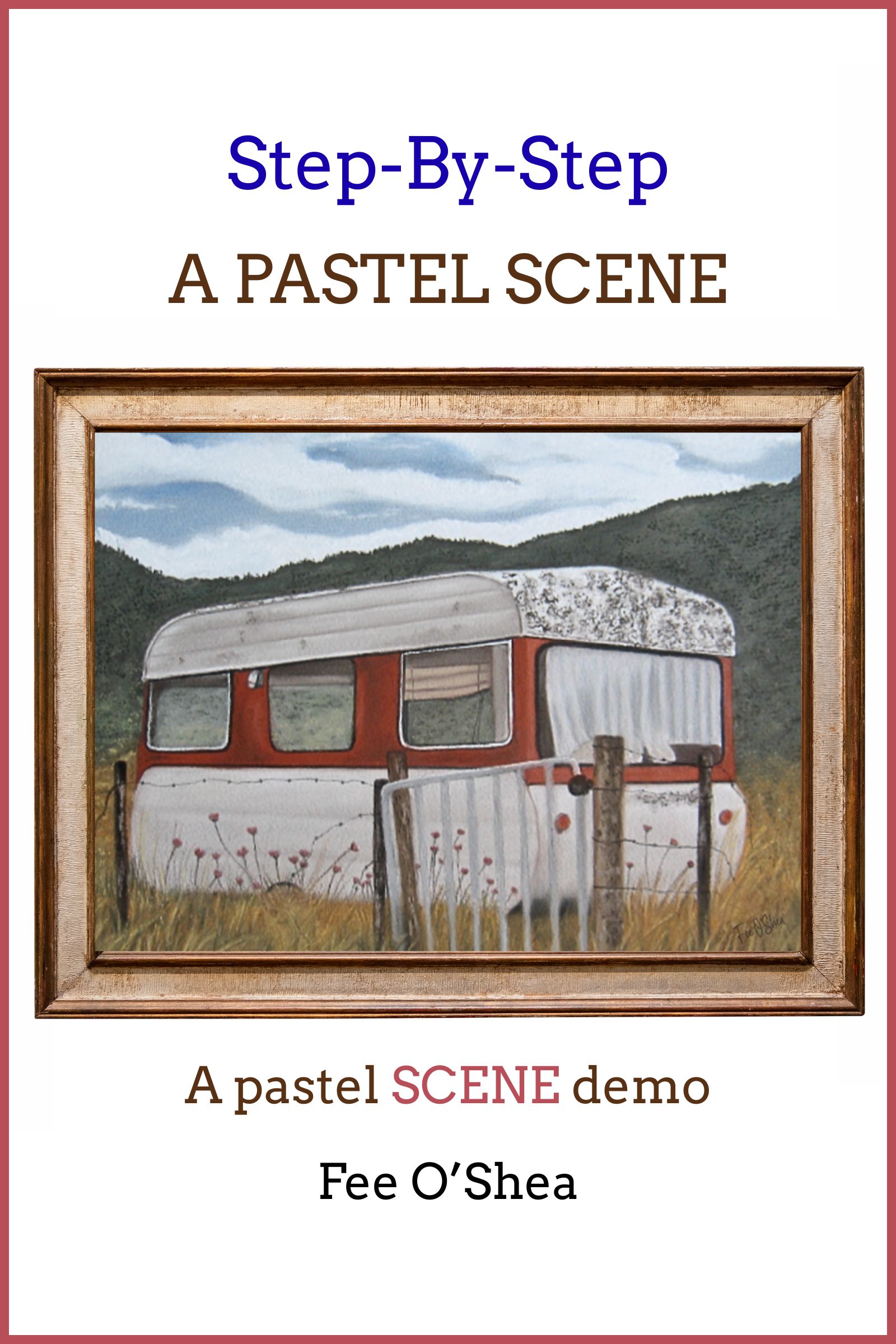
This book begins with careful guidance on choosing a photo reference, selecting affordable materials, understanding paper “tooth,” and organising pastels into workable colour groups. It emphasises practicality: working at the kitchen table, using limited colours, and making do without a studio.
Clear photographic demonstrations accompany each phase. You will learn:
• How to transfer or grid a sketch accurately
• Why measuring matters (and how to correct mistakes)
• How to layer and blend sky colours for depth
• Techniques for painting convincing clouds
• Building distant hills with scumbling
• Creating texture, reflections, shadows, and highlights
• Adding age and character through lichen, dirt, and subtle tonal shifts
• Rendering windows, reflections, curtains, and interior suggestions
• Constructing foreground elements such as posts, gates, barbed wire, grass, and wildflowers
Practical tips appear frequently—from managing pastel dust and protecting finished areas with plastic sheets to using sandpaper to sharpen sticks and keeping paper stumps clean. You are guided to build colour in thin layers, blend between applications, and step away from the painting when needed to gain perspective.
It’s like I’m standing beside you, offering reassurance when things look “not quite right,” celebrating small victories, and reminding you that patience is part of the process. There is a gentle humour and honesty about artistic doubt that makes the experience relatable.